
Dogs talk all day long — just not with words. Learning dog behaviors and what they mean turns confusing moments (why the sudden zoomies? why the sigh?) into a real conversation with your dog. This guide decodes the most common behaviors, teaches you the body-language system behind them, and tells you exactly how to respond — at home, on walks, and at the vet.
The golden rule: always read the whole dog, not one signal. A wagging tail with a stiff body means something very different from a wagging tail with a wiggly body. Context is the other half of every message.
The Body Language Alphabet: Ears, Eyes, Mouth, Posture, Tail
Before decoding specific behaviors, learn the five channels dogs broadcast on. Read them together, like words in a sentence:
- Ears: forward = interested/aroused; flattened back = fearful or appeasing; relaxed neutral = calm. (Some breeds’ ears barely move — know your dog’s baseline.)
- Eyes: soft, blinky eyes = relaxed; hard stare = tension; “whale eye” (whites showing) = stress or fear; looking away = calming signal, “I’m no threat.”
- Mouth: relaxed open mouth = happy; closed tight mouth = tension; lip licking/yawning with no food or tiredness = stress signals.
- Posture: loose and wiggly = friendly; stiff and still = aroused or worried (a freeze always deserves respect); crouched low = fearful; play bow = invitation.
- Tail: the most misread channel — see below. Breed matters enormously (a Husky’s curled tail and a Greyhound’s tucked tail are both neutral).
Pro tip: film your dog for 30 seconds during an interesting moment, then watch it back in slow motion. You’ll see signals you completely missed live.
Tail Behaviors and What They Mean
- Loose, sweeping wag (whole rear wiggling): happy, friendly, relaxed. The classic good mood.
- High, stiff, fast wag: arousal or tension — alert, possibly confrontational. Give space; don’t reach for the head.
- Low, slow wag: cautious or submissive. Your dog is unsure — don’t loom over them, let them come to you.
- Tucked tail: fear or anxiety. Something in the environment is too much — increase distance from the trigger.
- Tail straight out behind, quivering: high arousal — could tip into excitement or reactivity. Redirect before it escalates.
Barking: Not All Barks Are Equal
Dogs have a whole vocabulary of barks. Learning the types tells you whether to check, redirect, or relax:
- Rapid, high-pitched bursts: excitement or alarm (doorbell!). Check what triggered it, then redirect to a settled behavior.
- Low, sustained barking: warning or guarding. Take it seriously — your dog believes there’s a real threat.
- Single sharp barks with pauses: attention-seeking or boredom. More exercise and enrichment usually fix it within days.
- Howling/whining when alone: loneliness or developing separation anxiety. Our puppy training schedule includes alone-training steps that prevent this from becoming a real disorder.
- Frustration barking (at the leash, at a fence): barrier frustration. Increase distance from the trigger and reward calm.
Head Tilt, Yawning, Sneezing and Other Curious Behaviors
- Head tilt: your dog is concentrating — processing a sound or word. It’s curiosity, and yes, it’s adorable. (Frequent tilting with balance issues = vet visit.)
- Yawning (when not tired): a calming signal. Your dog is mildly stressed and trying to defuse the situation — classic at the vet or during tense greetings.
- Lip licking (no food around): another stress signal. Watch what just happened and reduce pressure.
- Play sneezing: a deliberate “this is all in fun” signal during rough play. Dogs sneeze to say “I’m still playing!”
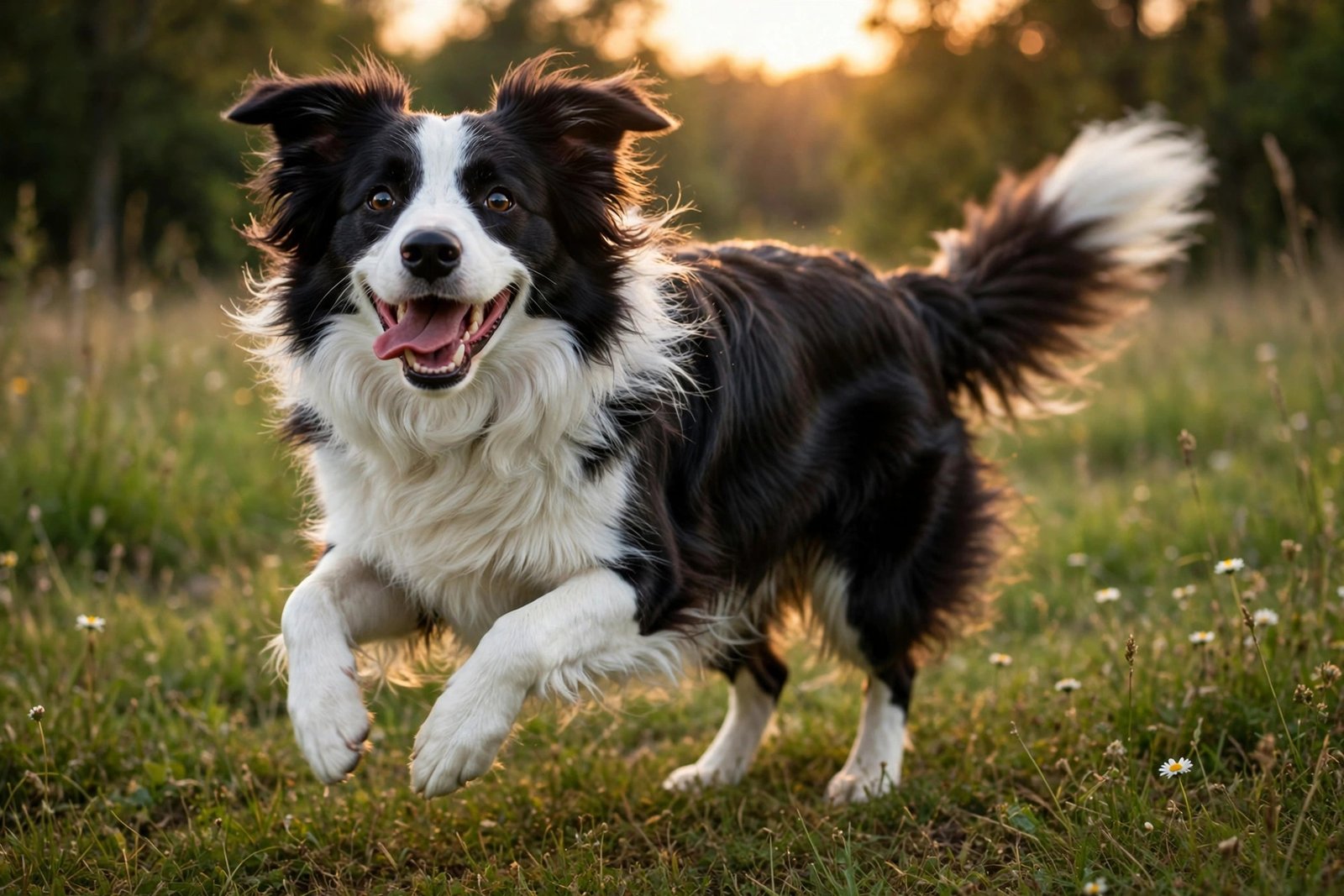
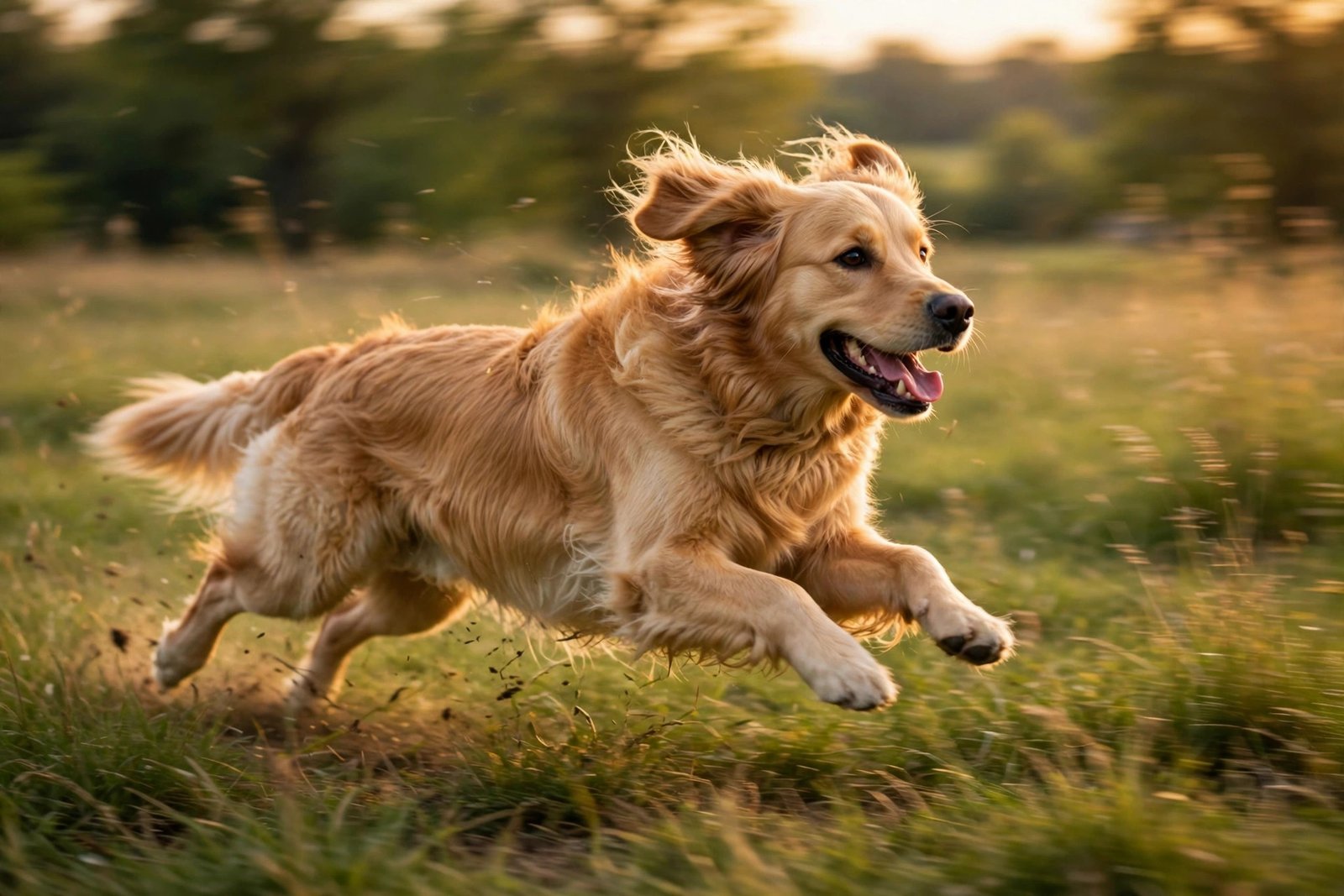
- Zoomies (FRAPs): sudden bursts of running are pure joy and released energy — usually after a bath, a poop, or a long nap. Enjoy them; just clear a path.
- Play bow (front down, rear up): an unmistakable invitation: “let’s play!” Often paired with play sneezes.
Pawing, Nudging, Leaning and Gift-Giving
- Gentle paw on your knee: “pay attention to me” — connection-seeking. Fine in moderation; don’t accidentally train demand-pawing by rewarding it every time.
- Nose nudge: often means “pet me” or “move, please.” Context decides — a nudge at the door differs from a nudge on the sofa.
- Leaning against you: trust and affection. Many dogs lean on their favorite person like a furry weighted blanket.
- Bringing you toys (or socks, or shoes): sharing their most valued possessions — a genuine compliment and a bid for interaction.
- Sighing when settling: contentment. The dog equivalent of sinking into a good chair.
Warning Behaviors: Growling, Snapping, Freezing
Growling is communication, not disobedience. A growling dog is saying “I’m uncomfortable” — and that’s information you want. Never punish a growl; you’ll just remove the warning and keep the bite. Instead:
- Freeze + hard stare: back away calmly, don’t reach for the dog, avoid direct eye contact.
- Growl over food/toys: resource guarding. Trade up (offer something better), never just grab — and get professional help if it escalates beyond mild stiffness.
- Sudden behavior change: a normally friendly dog turning snappy may be in pain. Vet visit first, training second — always rule out medical causes.
- Guarding you from others: flattering but dangerous. This is anxiety, not loyalty — consult a certified behaviorist.
Behavior by Context: Home, Walks, Vet, Guests
The same dog behaves differently in different contexts. Here’s how to read the common ones:
- At home: pacing between rooms, following you everywhere, or sudden clinginess often means under-exercised or anxious. A settled dog rotates nap spots peacefully.
- On walks: pulling toward dogs = frustration or excitement (not dominance); lunging/barking = usually fear-based reactivity. Distance is your friend — cross the street, reward calm.
- At the vet: panting, yawning, lip-licking, trying to leave — all normal stress. Bring high-value treats, ask for “happy visits” (treats, no procedures), and never scold fear.
- With guests: jumping = over-arousal, not bad manners. Manage with a leash or baby gate, reward four-on-the-floor, and let the dog approach guests (not the reverse).
Breed Tendencies: Nature Loads the Dice
Behavior isn’t all training — genetics deal the starting hand. Herding breeds nip and chase; terriers dig and kill toys with enthusiasm; guard breeds are suspicious of strangers; scent hounds follow their nose off a cliff. None of this is a flaw — it’s the job the breed was built for. Knowing your dog’s genetic resume helps you meet needs instead of fighting them: the Border Collie needs a job, the Beagle needs sniff walks, the Greyhound needs a sofa.
When Behavior Means “Call the Vet”
Behavior is health data. Sudden lethargy, appetite changes, new aggression, excessive licking of one spot, house-soiling in a trained dog, or nighttime pacing/restlessness can all signal medical issues — pain, thyroid problems, cognitive decline, or urinary issues. If you’re bringing home a new dog, a vet check in the first week establishes a baseline for what’s normal for them, making future changes easier to spot.
When to Call a Certified Behaviorist
Trainers teach skills; behaviorists diagnose problems. Call one (IAABC-certified or veterinary behaviorist) for: any bite or serious snap, escalating aggression, severe separation anxiety, or fears/phobias that don’t improve with gentle desensitization. The earlier you call, the easier the fix — waiting lets the behavior rehearse and strengthen.
FAQs
What are the symptoms of anxiety in dogs?
Panting when it’s not hot, pacing, drooling, tucked tail, excessive yawning or lip licking, destructive behavior when alone, and clinginess. Mild cases respond to routine, exercise and enrichment; severe cases need a vet or certified behaviorist — anxiety is a medical issue, not a training failure.
Why does my dog stare at me?
Usually affection or anticipation — you’re the source of all good things, and mutual gazing actually releases oxytocin in both of you. Sustained hard staring with a stiff body is different: that’s tension. Read the body, not just the eyes.
Do dogs feel guilty when they look “guilty”?
Probably not. The famous “guilty look” (averted eyes, tucked tail, slinking) is a response to your tone and body language, not remorse about the chewed shoe. Studies show dogs do it even when they did nothing wrong — they read that a scolding is coming.
Why does my dog spin before lying down?
Ancient nesting instinct — wild ancestors trampled grass and checked for critters before bedding down. Totally normal, even on a $200 orthopedic dog bed. Some dogs also circle when excited or anxious, so context matters.
Is it bad if my dog follows me everywhere?
Usually it’s just bonding — you’re their pack and their favorite thing. It becomes a problem only if they panic when separated (vocalizing, destruction, house-soiling). Build independence gradually with short, positive alone-time sessions paired with special chews.
Why does my dog bark at some strangers but not others?
Dogs react to subtle cues: body language, hats/sunglasses obscuring faces, unfamiliar gaits, or nervous energy from the person. It’s usually uncertainty rather than judgment. Reward calm observation (“look at that” game) to build a neutral association.
Can old dogs learn new behaviors?
Absolutely — the “old dog” saying is a myth. Senior dogs learn more slowly and may have physical limits, but they learn reliably with reward-based methods. In fact, training is excellent mental enrichment for aging brains (see our senior dementia care guide).